Correlating Automated Verification Protocols with Tiered Reward Accrual Across Hybrid Reel and Table Interfaces on Portable Systems
Theo Günther · Sep 4, 2026

Correlating Automated Verification Protocols with Tiered Reward Accrual Across Hybrid Reel and Table Interfaces on Portable Systems
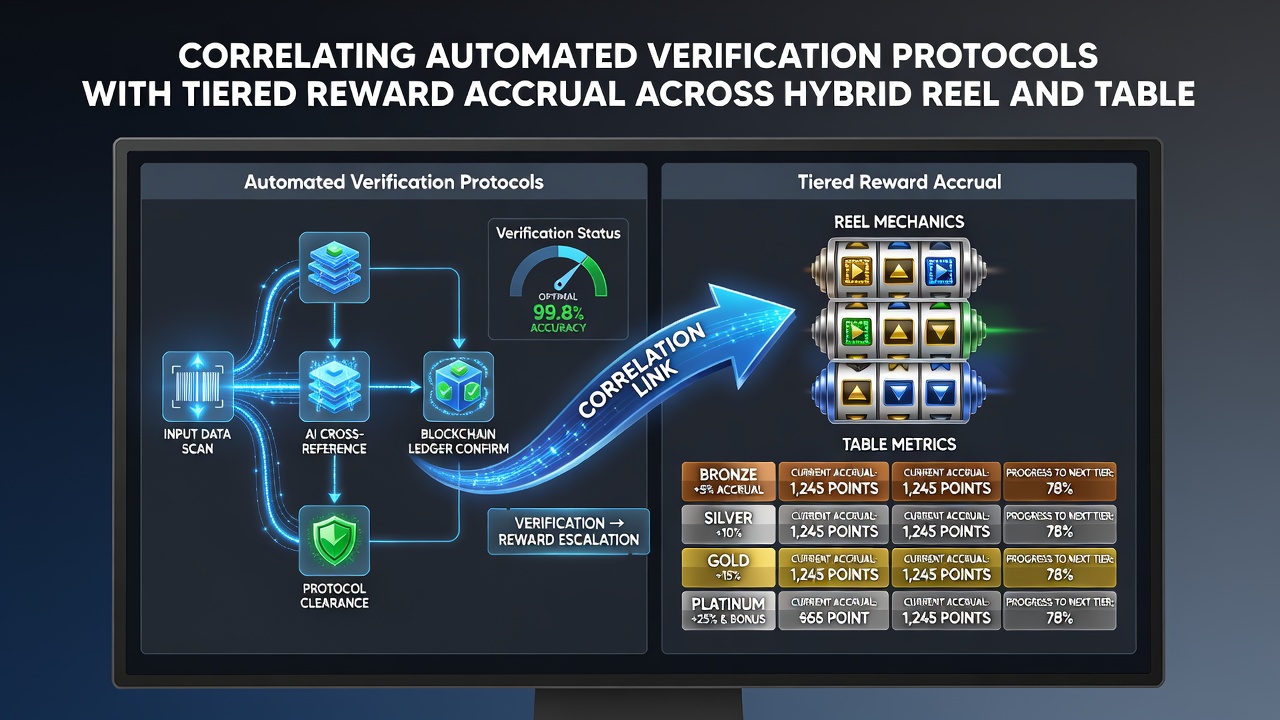
Automated verification protocols now integrate directly with tiered reward systems on portable platforms that combine reel based games and table interfaces, creating unified tracking mechanisms across multiple game types. These systems process identity confirmation through biometric scans, document uploads, and real time database cross checks, which then feed into loyalty point calculations that adjust based on player activity levels in both slots and live dealer environments.
Verification Systems on Portable Devices
Portable systems employ automated verification that activates during account setup and continues through ongoing sessions, using facial recognition paired with government ID matching to confirm user eligibility without manual intervention. Researchers at various academic institutions have documented how these protocols reduce processing times while maintaining compliance with regional standards, and data from industry reports shows verification completion rates climbing steadily as algorithms improve accuracy on mobile hardware. Once verified, accounts gain immediate access to reward tracking modules that log activity from hybrid interfaces where players switch between reel spins and table decisions within the same application window.
Verification layers also support geo location checks and device fingerprinting, which correlate with reward accrual by ensuring points only register from approved regions and hardware configurations. Observers note that this setup prevents duplicate accounts from inflating tier progress, while seamless handoffs between game categories maintain continuous point accumulation without resetting session data.
Tiered Rewards Across Game Categories
Tiered reward structures assign point values differently depending on whether activity occurs on reel interfaces or table sections, yet automated systems unify these streams into single player profiles. For instance, reel games often generate points per spin volume, whereas table interfaces award based on wager size and hand frequency, with verification protocols confirming each transaction before points post to the central ledger. Studies from research groups indicate that players engaging both categories reach higher tiers faster when verification runs continuously in the background, as the system aggregates data without requiring separate logins or manual submissions.
September 2026 brought updated compliance frameworks in several jurisdictions that emphasized tighter links between verification speed and reward eligibility windows, allowing operators to adjust tier thresholds dynamically based on verified session lengths. Those frameworks drew from data compiled by organizations such as the American Gaming Association, which tracked how mobile hybrid platforms handled cross category activity during peak usage periods.
Integration Mechanics and Data Flow
The correlation between verification and rewards operates through API connections that push confirmed identity status directly into the accrual engine, enabling real time tier updates as players move from reel sessions to table play on the same device. Engineers design these flows to handle variable data loads, with verification flags determining whether bonus multipliers apply to points earned in either game type. Industry analyses reveal that platforms incorporating such correlations see higher retention among users who maintain consistent verification status, since interrupted checks can pause point posting until resolved.
Hybrid interfaces add complexity because reel and table sections pull from separate game servers, yet the verification layer acts as the common thread that merges activity logs. People who monitor these systems report fewer discrepancies in reward statements when automated checks run at intervals rather than only at login, reducing cases where table wagers fail to register toward tier advancement due to temporary status mismatches.
Regulatory and Operational Context
Regulatory bodies across regions, including those referenced in reports from the Nevada Gaming Control Board, require operators to demonstrate that verification protocols reliably support reward integrity on portable systems. This includes audit trails showing how points from hybrid play contribute to tier status without manual overrides. Operational teams implement these requirements by embedding verification checkpoints at key transition points, such as when a player shifts from reel spins to a live table interface, ensuring continuous data integrity.
Evidence from deployment records shows that automated systems handling both verification and accrual reduce administrative overhead compared to segmented approaches, while maintaining transparency for users reviewing their tier progress across game categories. Patterns emerge where verified accounts exhibit steadier point accumulation rates, particularly during extended mobile sessions that alternate between game types.
Conclusion
Automated verification protocols and tiered reward accrual now function as interconnected components on portable systems offering hybrid reel and table interfaces, with data flows designed to maintain accuracy across activity types. Continued refinements in these correlations support compliance and operational efficiency as mobile gaming expands.