Decoding Reward Pathways: How Slot Volatility Patterns Interact with Tiered Loyalty Structures in Cross-Border Mobile Platforms
Anna Otto · Nov 13, 2026
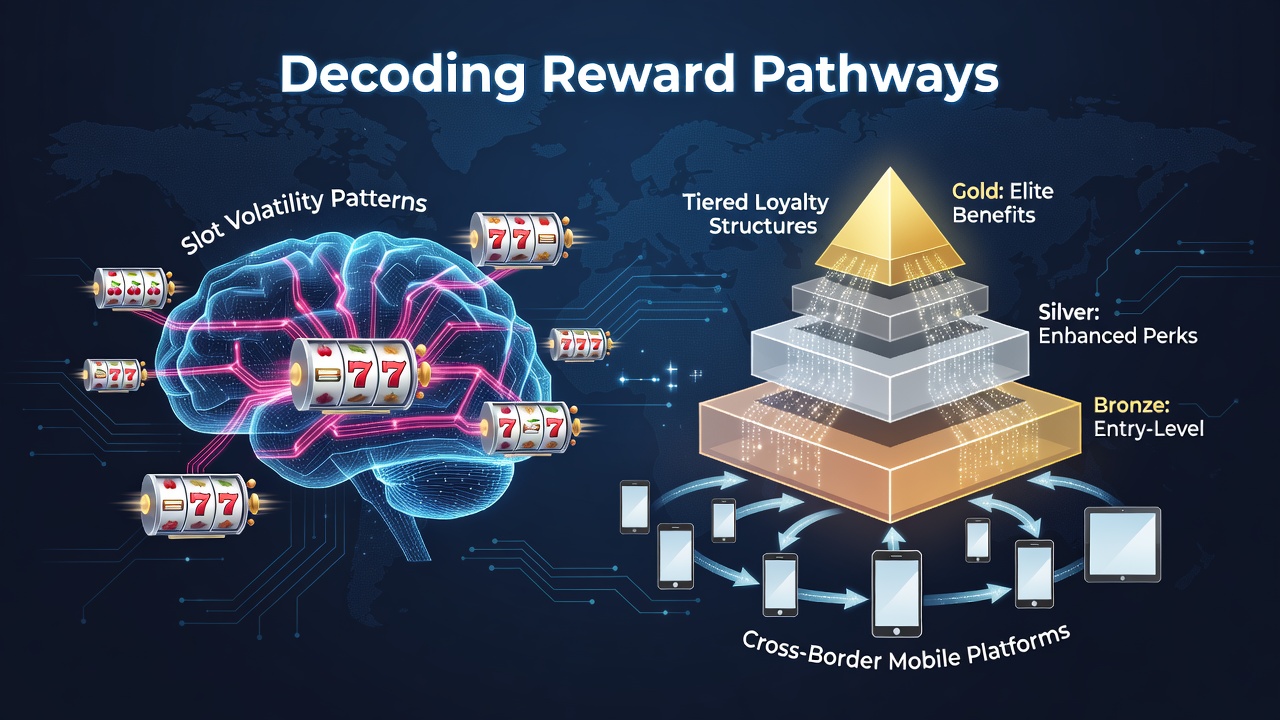
Decoding Reward Pathways: How Slot Volatility Patterns Interact with Tiered Loyalty Structures in Cross-Border Mobile Platforms
Slot volatility patterns shape how players move through loyalty tiers on cross-border mobile platforms, and researchers have tracked these interactions across multiple jurisdictions since early 2025. High-volatility titles tend to produce longer intervals between wins, which in turn affects the rate at which users accumulate the points needed for tier advancement, while low-volatility games deliver steadier increments that align more closely with the requirements of entry-level and mid-tier programs.
Data collected by platform operators shows that users who favor high-volatility slots often reach silver or gold status more slowly than those who mix in medium-volatility options, even when total wager volume remains comparable. This pattern emerges because reward algorithms weight both frequency of play and average bet size, yet high-volatility sessions frequently involve fewer spins per session due to larger individual wagers. Observers note that mobile interfaces in regions such as Southeast Asia and parts of Europe display real-time volatility indicators that allow players to adjust their choices based on remaining progress toward the next loyalty milestone.
Mechanics of Volatility and Point Accumulation
Volatility refers to the statistical distribution of payouts within a slot title, and cross-border mobile systems standardize this metric through return-to-player percentages paired with hit-frequency data. Loyalty structures assign points according to a formula that multiplies wager amount by a tier multiplier, which rises from bronze through platinum levels. Studies conducted by academic teams in Canada and published through university research repositories indicate that players on high-volatility games experience point accrual rates that fluctuate more sharply from one session to the next, whereas low-volatility selections produce smoother upward curves on loyalty dashboards.
Platform developers adjust these formulas differently depending on local regulations, and operators in Australia apply stricter caps on bonus point acceleration compared with those licensed in the Philippines. As a result, a single mobile account registered across borders may encounter varying point multipliers when the user switches between servers, creating distinct reward pathways that loyalty participants learn to navigate over repeated sessions.
Cross-Border Platform Adaptations
November 2026 marks the scheduled rollout of updated interoperability standards among several major mobile gaming networks, and these changes aim to synchronize loyalty data across jurisdictions while preserving regional volatility classifications. Figures released by the Asia-Pacific Gaming Association reveal that 62 percent of active accounts now span at least two regulatory zones, prompting operators to refine algorithms that reconcile differing point values. Those who have examined transaction logs note that volatility-based filters appear more frequently in loyalty dashboards after users cross into higher tiers, suggesting the systems prioritize retention of platinum members through tailored game recommendations.
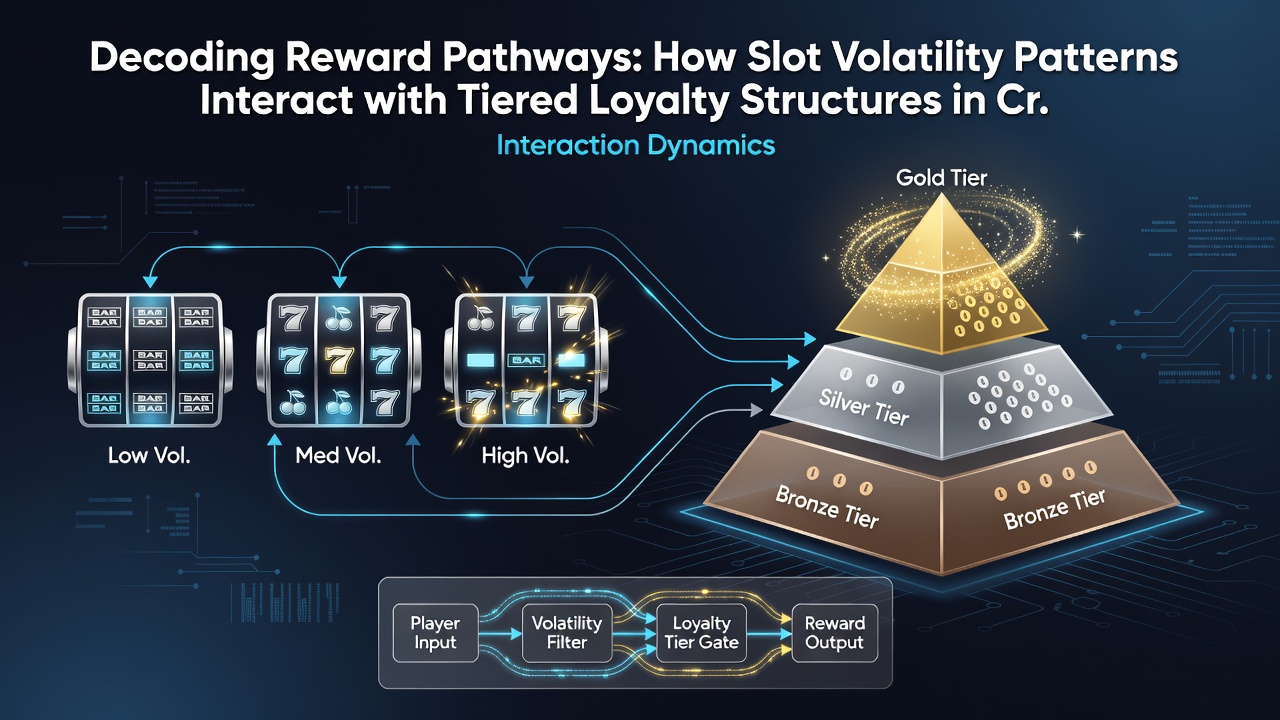
Payment method selection further influences these dynamics because certain e-wallets process high-volatility wins faster, allowing players to reinvest points into loyalty progression without delay. Regional banking rules in the European Union require additional verification steps for large transfers, and this friction can interrupt the momentum built during extended high-volatility sessions. Industry reports compiled by the European Gaming and Betting Association document that players who maintain consistent medium-volatility play across borders accumulate tier benefits at a steadier pace, reducing the likelihood of temporary downgrades when regulatory checks occur.
Observed Engagement Patterns
Engagement data aggregated from multiple platforms demonstrates that loyalty members at gold and platinum levels shift their volatility preferences more frequently than lower-tier users. One analysis of anonymized session records found that gold-tier participants alternate between high-volatility and low-volatility titles within the same week at rates 1.8 times higher than bronze members. This behavior correlates with the need to balance risk exposure against the steady point flow required to maintain tier status during promotional periods.
Cross-border mobile interfaces now incorporate volatility toggles that sync with loyalty calendars, and users receive notifications when a selected game’s payout rhythm no longer aligns with upcoming tier deadlines. Researchers tracking these notifications report that response rates increase once players reach silver status, indicating that the tier structure itself modifies how volatility information is consumed.
Conclusion
Slot volatility patterns and tiered loyalty structures continue to intersect in measurable ways on cross-border mobile platforms, and ongoing regulatory updates scheduled for late 2026 will likely refine these interactions further. Platform operators rely on aggregated behavioral data to calibrate point multipliers, while players adapt their game selections according to visible progress indicators. The resulting reward pathways reflect a combination of mathematical game design and jurisdictional requirements that shape engagement across borders without favoring any single strategy.